"Front-Loader vs Longtail Cargo E-Bike: Which One Fits Your Family?"
"Bakfiets-style front-loaders vs longtail cargo e-bikes: real trade-offs in stability, storage, parking, and price to help you pick right."
Cargo e-bikes have basically replaced the minivan for a lot of families, but the two dominant shapes - front-loading "bakfiets" style bikes and longtail bikes with a stretched rear rack - ride, park, and load completely differently. Here's how to figure out which layout actually fits your garage, your kids, and your daily errands.
Front-loader vs longtail: the real differences
A front-loader puts the cargo box (or bench) ahead of the handlebars, low to the ground. Kids sit facing you, which is genuinely reassuring for younger riders, and the low center of gravity makes a loaded bike feel planted at a stop. The trade-off: these bikes are long, wide, and heavy, steering is indirect (you're turning the front wheel through linkage, not directly), and they need more space to store and maneuver - not great if you're wrestling one up an apartment stairwell or into a narrow shed.
A longtail puts the extra cargo space behind the saddle, over an extended rear wheelbase. Kids or gear sit behind you instead of in front, the steering feels like a normal bike because the front end isn't modified, and the overall footprint is narrower and easier to store, roll through doorways, or fit on a standard bike rack. The trade-off: with a heavy rear load, handling gets a little more top-heavy at low speed, and very young kids can't be watched face-to-face the way they can on a front-loader.
The honest verdict for most buyers: unless you specifically need the face-to-face toddler view or you're hauling genuinely bulky cargo (think large totes of groceries, not just backpacks), a well-built longtail is usually easier to live with day to day - lighter, cheaper, easier to park, and still plenty capable for one or two kids plus gear.
Our top picks

Lectric XPedition 2.0
750W motor · 672 Wh battery · ~60 mi range · 28 mph top speed · 73 lb · Class 3 · around $1,399
Pros
- 450 lb payload - carries two kids or big loads
- Dual-battery option for 100+ mile range
- Cheapest capable longtail on the market
Cons
- Long wheelbase is a handful in tight spaces
- Accessories add up for a full family setup
Price and availability last checked October 2026. We may earn a commission — it never changes our pick.
Rad Power RadRunner 3 Plus
750W motor · 672 Wh battery · ~45 mi range · 20 mph top speed · 76 lb · Class 2 · around $1,999
Pros
- Huge accessory ecosystem (passenger, baskets, seats)
- Torque sensor and semi-integrated battery
- Stable utility platform
Cons
- Class 2 (20 mph) out of the box
- Heavy and long to park
Price and availability last checked October 2026. We may earn a commission — it never changes our pick.
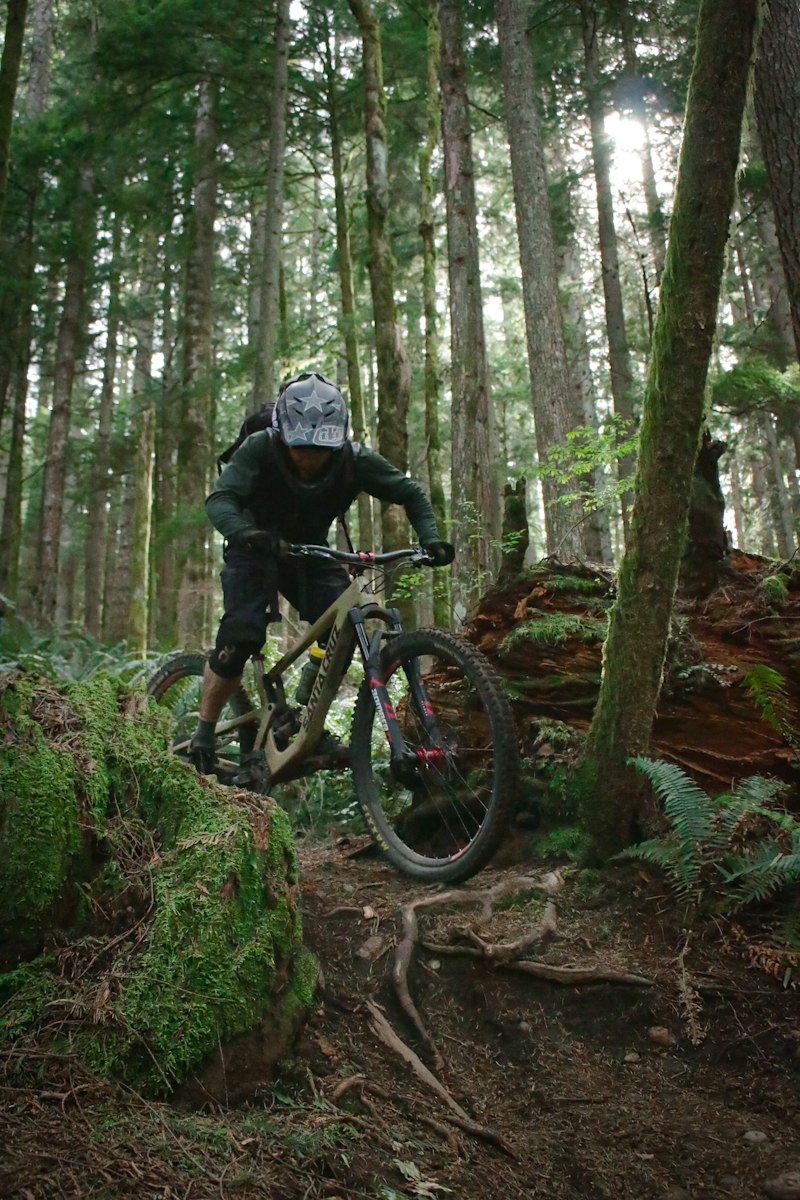
Aventon Aventure.2
750W motor · 720 Wh battery · ~60 mi range · 28 mph top speed · 77 lb · Class 3 · around $1,999
Pros
- 4-inch fat tires soak up trails and sand
- Torque sensor feels natural off-road
- Front suspension and hydraulic brakes
Cons
- 77 lb is a lot to lift
- Fat tires add rolling resistance on pavement
Price and availability last checked October 2026. We may earn a commission — it never changes our pick.
Note on front-loaders: this catalog doesn't currently carry a true bakfiets-style box bike, so if face-to-face toddler seating is a non-negotiable for you, treat that as a separate shopping path - but for the vast majority of one-or-two-kid households, the longtail picks above will do the job with less bulk and less cost.
Compare the options
| Model | Motor | Battery / Range | Top speed | Weight | Price | Rating | |
|---|---|---|---|---|---|---|---|
| Lectric XPedition 2.0 | 750W | 672 Wh / ~60 mi | 28 mph | 73 lb | ~$1,399 | 4.6 ★ | Price → |
| Rad Power RadRunner 3 Plus | 750W | 672 Wh / ~45 mi | 20 mph | 76 lb | ~$1,999 | 4.5 ★ | Price → |
How to choose
- Count your passengers, not just your gear. One kid plus a backpack is an easy job for any longtail. Two kids, or one kid plus groceries plus a dog, pushes you toward a bike with a longer rated payload and running boards, like the XPedition 2.0.
- Think about where the bike sleeps at night. Front-loaders need real floor space and often won't fit through a standard door or onto a wall rack. If storage is tight, a longtail's narrower footprint is a practical win regardless of which style you'd otherwise prefer.
- Match top speed to your roads. A class 3 bike capped near 28 mph is reassuring on bigger roads with faster traffic, while a class 2 bike like the RadRunner, capped around 20 mph, can feel more appropriate - and less intimidating - on quiet residential streets with kids aboard. If you're unsure what the class numbers actually mean for insurance, trail access, or local law, this class 1 vs 2 vs 3 explainer breaks it down simply.
- Battery size should match your actual loop, not your longest dream ride. Loaded cargo bikes lose range faster than their spec sheet suggests, since hauling 60+ extra pounds draws more from the motor. Budget for real-world range at 60-70% of the claimed number when a kid and gear are aboard.
- Don't skip test-riding loaded, not empty. A cargo bike's balance and brake feel change substantially under weight. If a shop lets you load sandbags or a stand-in kid seat before buying, take them up on it - it's the single best way to confirm fit beyond spec sheets. For a broader shortlist beyond these two picks, our best cargo and family e-bike guide rounds up more options by budget.