"Best Electric Bike for a Hilly Commute: Torque & Gearing Compared"
"Climbing steep streets every day? Here's how motor torque, gearing, and weight actually affect hill performance on your e-bike commute."
If your commute involves a serious climb (not just a gentle rise), the spec that matters most isn't top speed — it's torque, gearing, and how the bike manages weight on a grade. Here's what actually makes a difference on hills, and which bikes handle them without cooking the motor or your knees.
Our top picks
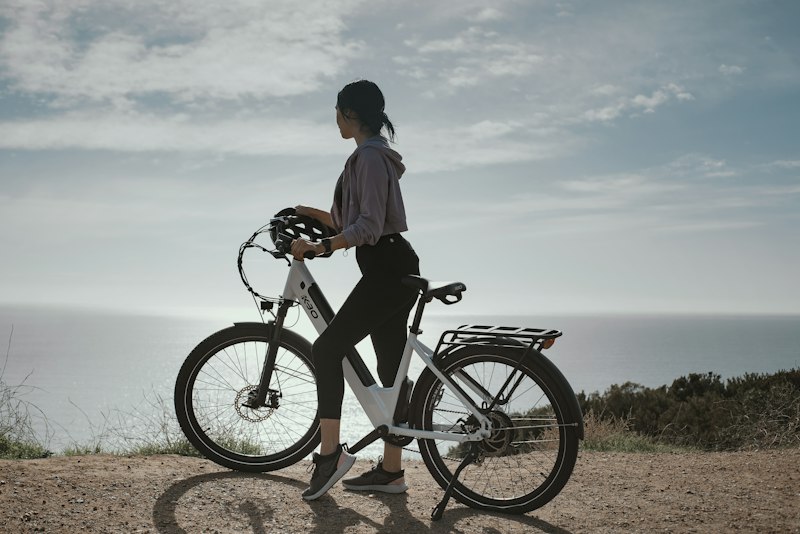
Aventon Level.3
750W motor · 720 Wh battery · ~55 mi range · 28 mph top speed · 62 lb · Class 3 · around $1,799
Pros
- Smooth torque-sensor assist
- Integrated turn signals and bright lights
- Suspension fork and rack included
Cons
- Heavier than minimalist commuters
- App-gated unlock for Class 3
Price and availability last checked October 2026. We may earn a commission — it never changes our pick.
Ride1Up Turris
750W motor · 614 Wh battery · ~40 mi range · 28 mph top speed · 53 lb · Class 3 · around $1,095
Pros
- Light for a full-power commuter (53 lb)
- Hydraulic brakes and front suspension
- Clean, bike-shop-like looks
Cons
- No rack or fenders in the box
- Cadence-sensor assist (no torque sensor)
Price and availability last checked October 2026. We may earn a commission — it never changes our pick.
Specialized Turbo Vado SL 5.0
240W motor · 320 Wh battery · ~40 mi range · 28 mph top speed · 33 lb · Class 3 · around $4,000
Pros
- Rides like a normal bike - just 33 lb
- Natural, quiet mid-drive assist
- Range Extender adds ~40 more miles
Cons
- Premium price
- Smaller battery needs the extender for long days
Price and availability last checked October 2026. We may earn a commission — it never changes our pick.
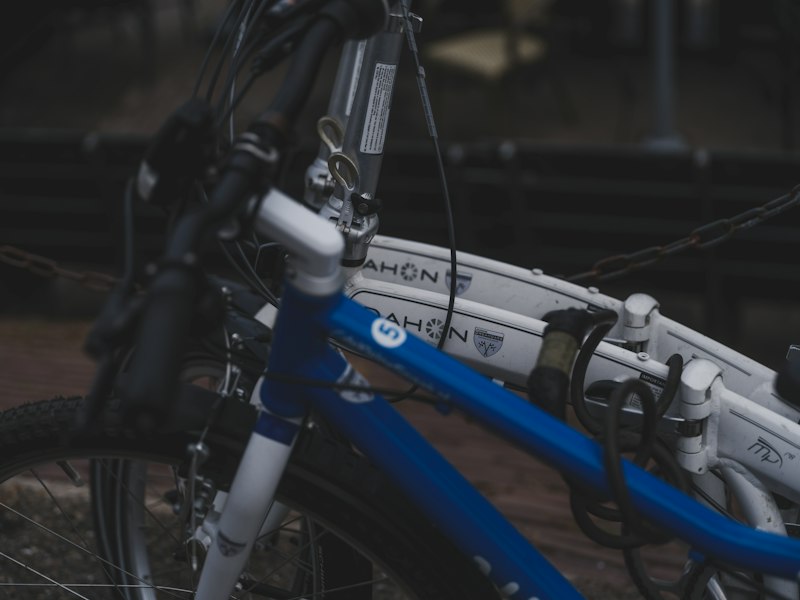
Lectric XP 4
500W motor · 672 Wh battery · ~50 mi range · 28 mph top speed · 64 lb · Class 3 · around $999
Pros
- Folds for storage and transit
- Huge value - hydraulic brakes and a torque option at $999
- Comfortable for riders 4'11"-6'4"
Cons
- Heavy to lift folded
- Hub motor, not a mid-drive
Price and availability last checked October 2026. We may earn a commission — it never changes our pick.
Comparison
| Model | Motor | Battery / Range | Top speed | Weight | Price | Rating | |
|---|---|---|---|---|---|---|---|
| Lectric XP 4 | 500W | 672 Wh / ~50 mi | 28 mph | 64 lb | ~$999 | 4.6 ★ | Price → |
| Ride1Up Turris | 750W | 614 Wh / ~40 mi | 28 mph | 53 lb | ~$1,095 | 4.5 ★ | Price → |
| Aventon Level.3 | 750W | 720 Wh / ~55 mi | 28 mph | 62 lb | ~$1,799 | 4.6 ★ | Price → |
| Rad Power RadRunner 3 Plus | 750W | 672 Wh / ~45 mi | 20 mph | 76 lb | ~$1,999 | 4.5 ★ | Price → |
| Specialized Turbo Vado SL 5.0 | 240W | 320 Wh / ~40 mi | 28 mph | 33 lb | ~$4,000 | 4.7 ★ | Price → |
How to choose
- Prioritize torque over wattage on paper. Two 750W motors can feel very different on a climb depending on how the controller delivers torque at low cadence. Reviews and real-world climbing tests matter more than the spec sheet number.
- Don't ignore bike weight. A heavier bike (70+ lbs) asks more of the motor and the battery on sustained climbs, and it's miserable to push the last block if the battery does die. If your hill is long and steep, lighter bikes like the [specialized-vado-sl-5] or [ride1up-turris] have a real edge.
- Check the gearing, not just the motor. A wide-range cassette (or a good derailleur with enough low gears) lets you keep pedaling efficiently even with assist, which saves the motor from overworking and saves your battery. This matters more at the top end of class 3's 28 mph than people expect — you still need low gears for the climb itself.
- Battery size should match your elevation gain, not just distance. Climbing burns dramatically more watt-hours per mile than flat riding. A bike rated for 50 miles on the flat might only manage 25-30 on a hilly route, so size up on battery if your commute includes real elevation.
- Understand the class system before you buy, since it affects both your legal top speed and how the bike is geared — our Class 1 vs 2 vs 3 E-Bikes Explained (2026) guide breaks down what each class actually means for a daily rider.
If your commute is flatter than you think and budget matters more, it's worth comparing against our broader Best Commuter E-Bike (2026) roundup, and if $1,500 is a hard ceiling, see Best Budget E-Bike Under $1500 (2026) for options that still hold up on moderate grades.
FAQ
Does a higher-wattage motor always mean better hill climbing?
Will climbing hills drain my battery much faster?
Is a lighter e-bike always better for hills?
Bottom line
For most hilly commutes, the <div class="pick"><div class="media"><img src="/img/commuter.jpg" alt="Aventon Level.3" loading="lazy"></div><div class="pbody"><span class="tag">Aventon Level.3</span><div class="head"><h3>Aventon Level.3</h3><span class="rating">Our rating: <span class="stars">★★★★½</span> 4.6</span></div><p class="specs">750W motor · 720 Wh battery · ~55 mi range · 28 mph top speed · 62 lb · Class 3 · around $1,799</p><div class="pc"><div><h4>Pros</h4><ul><li>Smooth torque-sensor assist</li><li>Integrated turn signals and bright lights</li><li>Suspension fork and rack included</li></ul></div><div><h4>Cons</h4><ul><li>Heavier than minimalist commuters</li><li>App-gated unlock for Class 3</li></ul></div></div><a class="btn" rel="sponsored nofollow noopener" target="_blank" href="https://www.amazon.com/s?k=Aventon+Level.3&tag=backuppowerce-20">Check price on Amazon →</a><p class="note">Price and availability last checked October 2026. We may earn a commission — it never changes our pick.</p></div></div> is the safest bet — strong sustained torque, real gearing range, and a battery big enough to absorb the extra drain that climbing causes. If you want to shave pounds off the bike itself, the <div class="pick"><div class="media"><img src="/img/commuter.jpg" alt="Ride1Up Turris" loading="lazy"></div><div class="pbody"><span class="tag">Ride1Up Turris</span><div class="head"><h3>Ride1Up Turris</h3><span class="rating">Our rating: <span class="stars">★★★★½</span> 4.5</span></div><p class="specs">750W motor · 614 Wh battery · ~40 mi range · 28 mph top speed · 53 lb · Class 3 · around $1,095</p><div class="pc"><div><h4>Pros</h4><ul><li>Light for a full-power commuter (53 lb)</li><li>Hydraulic brakes and front suspension</li><li>Clean, bike-shop-like looks</li></ul></div><div><h4>Cons</h4><ul><li>No rack or fenders in the box</li><li>Cadence-sensor assist (no torque sensor)</li></ul></div></div><a class="btn" rel="sponsored nofollow noopener" target="_blank" href="https://www.amazon.com/s?k=Ride1Up+Turris&tag=backuppowerce-20">Check price on Amazon →</a><p class="note">Price and availability last checked October 2026. We may earn a commission — it never changes our pick.</p></div></div> and <div class="pick"><div class="media"><img src="/img/commuter.jpg" alt="Specialized Turbo Vado SL 5.0" loading="lazy"></div><div class="pbody"><span class="tag">Specialized Turbo Vado SL 5.0</span><div class="head"><h3>Specialized Turbo Vado SL 5.0</h3><span class="rating">Our rating: <span class="stars">★★★★½</span> 4.7</span></div><p class="specs">240W motor · 320 Wh battery · ~40 mi range · 28 mph top speed · 33 lb · Class 3 · around $4,000</p><div class="pc"><div><h4>Pros</h4><ul><li>Rides like a normal bike - just 33 lb</li><li>Natural, quiet mid-drive assist</li><li>Range Extender adds ~40 more miles</li></ul></div><div><h4>Cons</h4><ul><li>Premium price</li><li>Smaller battery needs the extender for long days</li></ul></div></div><a class="btn" rel="sponsored nofollow noopener" target="_blank" href="https://www.amazon.com/s?k=Specialized+Turbo+Vado+SL+5.0&tag=backuppowerce-20">Check price on Amazon →</a><p class="note">Price and availability last checked October 2026. We may earn a commission — it never changes our pick.</p></div></div> both prove that smart weight management can matter as much as raw motor power.